
Table of Contents
Part 2, Chapter 1 explained how profit maximization creates poverty through high selling prices.
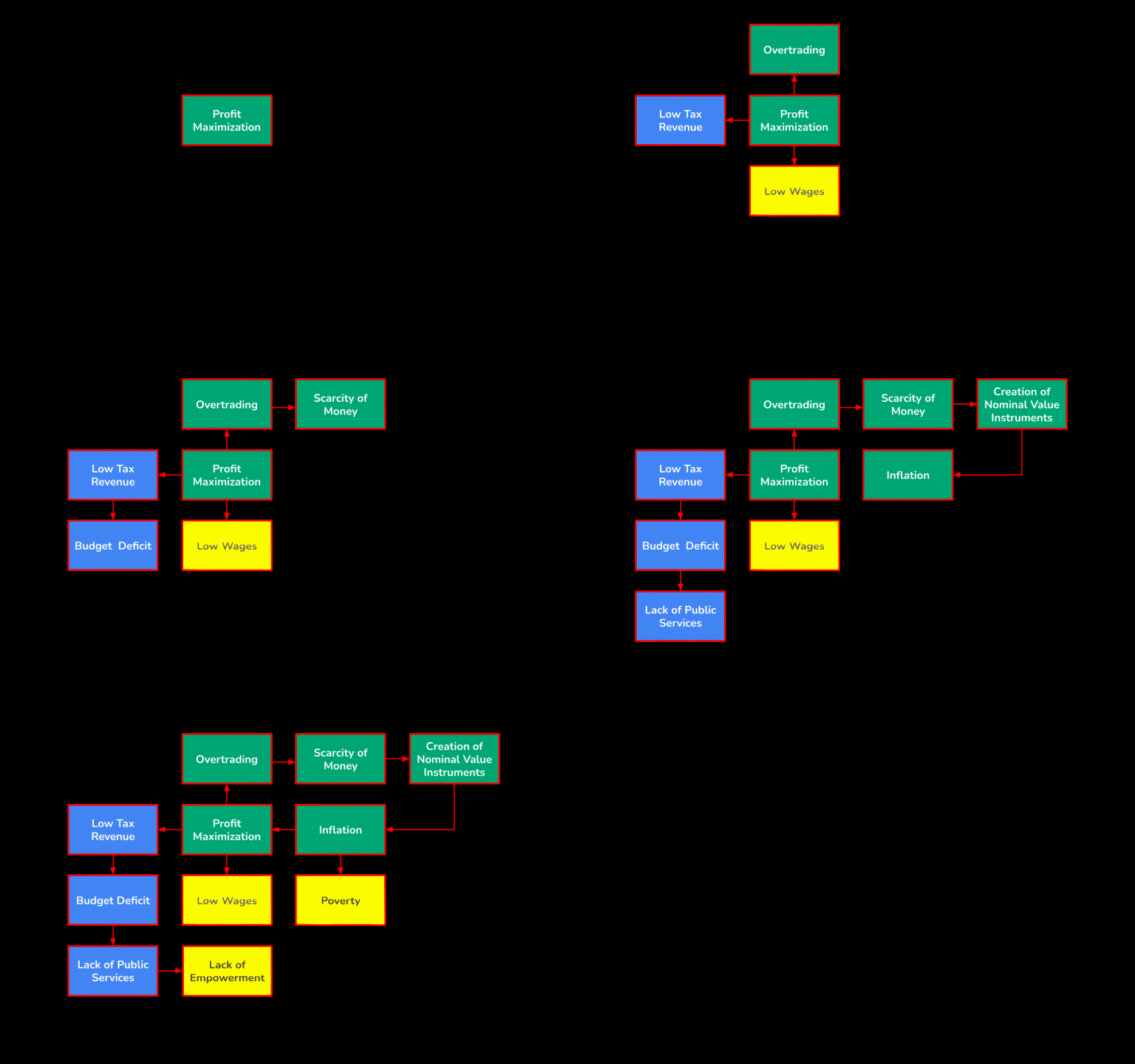
When implemented as an economic system, it creates a cycle of poverty
-
Selfish-interest by the Trading Class (Businessmen, Merchants, Investors, Speculators, etc.) causes them to amass profits at the expense of wages for the Working class and taxes for the government (Ruling Class).
-
If left unchecked by the government, profit maximization leads to overtrading which manifests as a crash.
-
The crash creates a scarcity of money which then prompts the government to create new nominal value instruments.
-
The increase in nominal value versus actual productive value manifests as price inflation.
-
Higher prices reduce the ability of both the Working class and Ruling class to operate. The government, together with the lack of tax revenue, becomes unable to provide essential services to the masses .
-
Lacking basic services, the masses become physically, intellectually, and morally weaker. This leads to problems in society.
-
Without any change in the profit maximization doctrine nor government policy, poverty becomes a cycle that drags the entire society down.
The root cause of profit maximization is the selfishness that is pushed by the Trading class. Before this, large-scale selfishness was pushed by the Warrior class as excessive taxation such as that of the Roman Empire.
Our solution to profit maximization is points banking just as the solution to money problems is to go moneyless instead of taking on more money-debt.
Leave a Comment
Thank you for your comment!
It will appear after review.